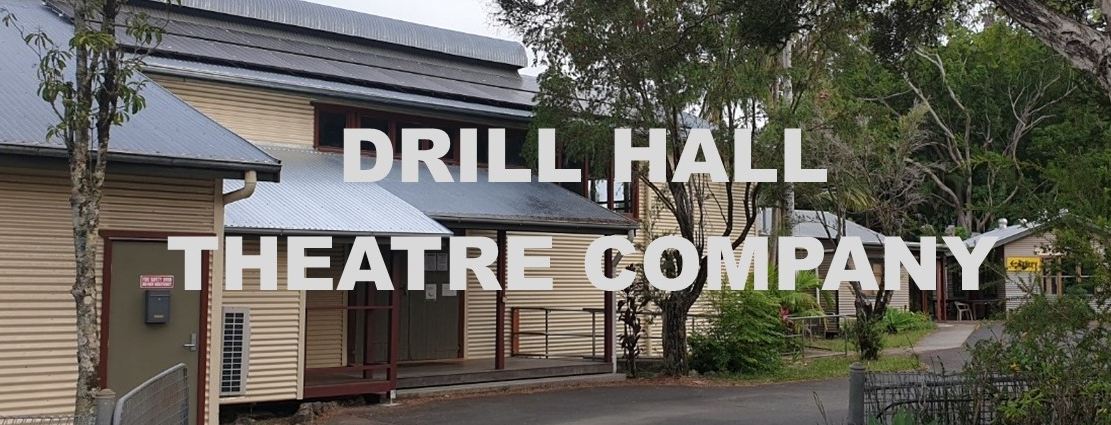
Get out of the house on the third Wednesday evening of each month and enjoy films on the big screen with us!
The Drill Hall Film Society screens classic films at an affordable price in comfortable tiered seating in our air-conditioned theatre. Grab a delicious snack and beverage from the bar, and be part of our lively film discussions after each show.
Become a Film Society subscriber for just $75 and gain entry to 11 films/year (or $60 if you’re a Drill Hall Theatre Company associate member). Casual guest rates cost $10/film.
Renewals due in July.
Contact Peter on [email protected] for more information or to become a member.
The Drill Hall Film Society is a member of the Australian Film Societies Federation which provides support and information. To find out more visit AFSF.
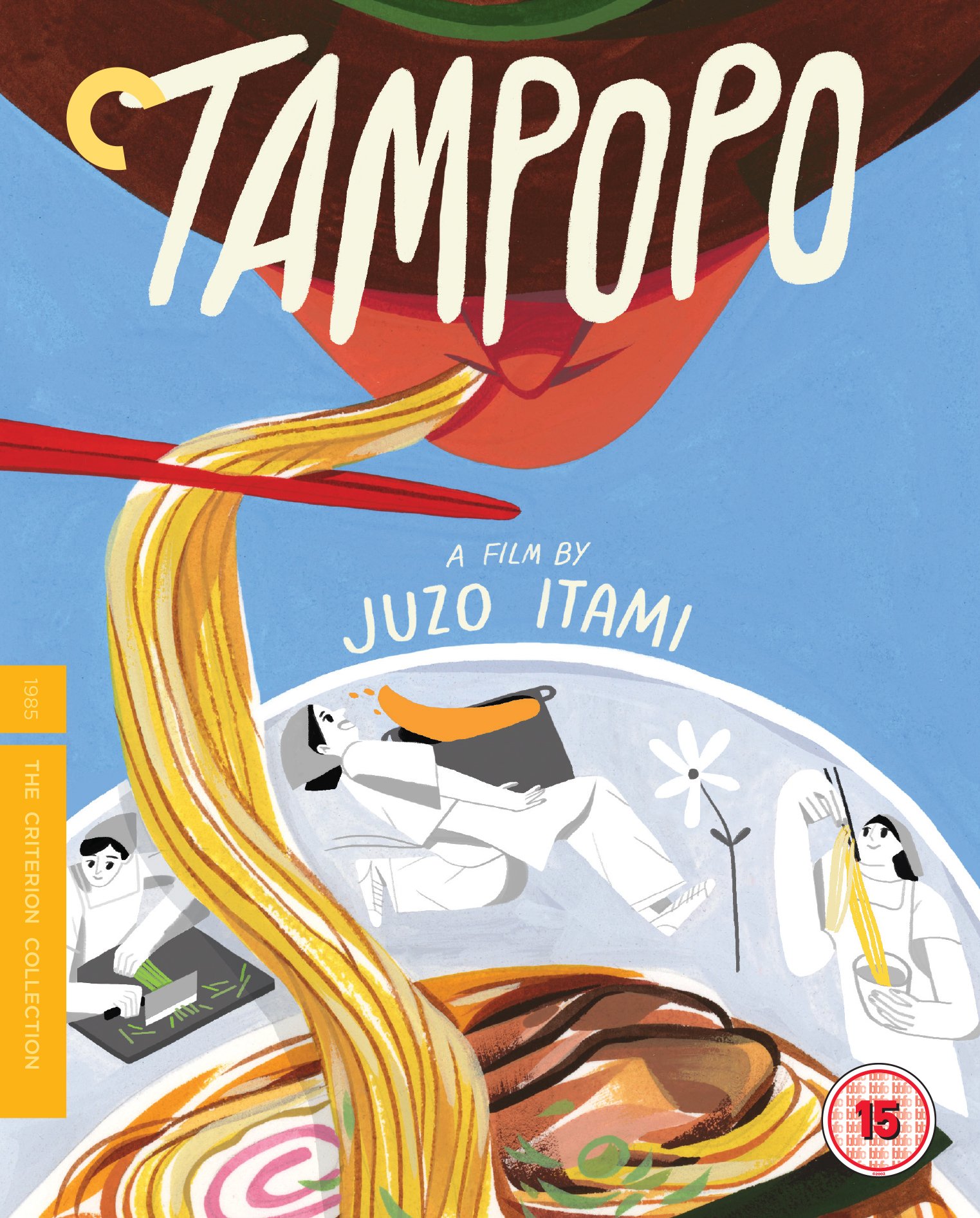
Tampopo (1985)
Wednesday September 23rd @ 7pm
Tampopo (タンポポ, Tanpopo; literally “dandelion”) is a Japanese comedy written and directed by Juzo Itami, and starring Tsutomu Yamazaki, Nobuko Miyamoto, Kōji Yakusho, and Ken Watanabe. The publicity for the film calls it the first “ramen Western”, a play on the term spaghetti Western.
Following the success of The Funeral, Itami began writing Tampopo immediately after, drawing inspiration from Luis Buñuel’s The Phantom of Liberty, and American westerns, Sergio Leone in particular. He then infused it with his own observations of ramen culture and its ability to democratize Japanese society, a subject he briefly explored in The Funeral.
Roger Ebert gave the film four out of four stars, commenting that “Like the French comedies of Jacques Tati, it’s a bemused meditation on human nature in which one humorous situation flows into another offhandedly, as if life were a series of smiles.”
Tampopo has received unanimous praise from critics, with a 100% approval rating and average score of 8.53/10 from Rotten Tomatoes, based on 52 reviews. The site’s critical consensus states, “Thanks to director Juzo Itami’s offbeat humour and sharp satirical edge, Tampopo is a funny, sexy, affectionate celebration of food and its broad influence on Japanese culture.”
Tampopo has influenced many famous chefs including legendary chef and food writer Alice Waters, who has made the film required viewing for her kitchen staff, and her protégés Jerry Jaksich, Sam White, and Rayneil De Guzman who have not only made pilgrimages to Japan as a result, but opened their own ramen shop in 2013 as well.
Many film critics point to Tampopo as the originator of food porn. The film is notable for dealing with food and sexuality together, a theme found in later films such as Like Water for Chocolate (1992), Chocolat (2000) and The Taste of Things (2024).
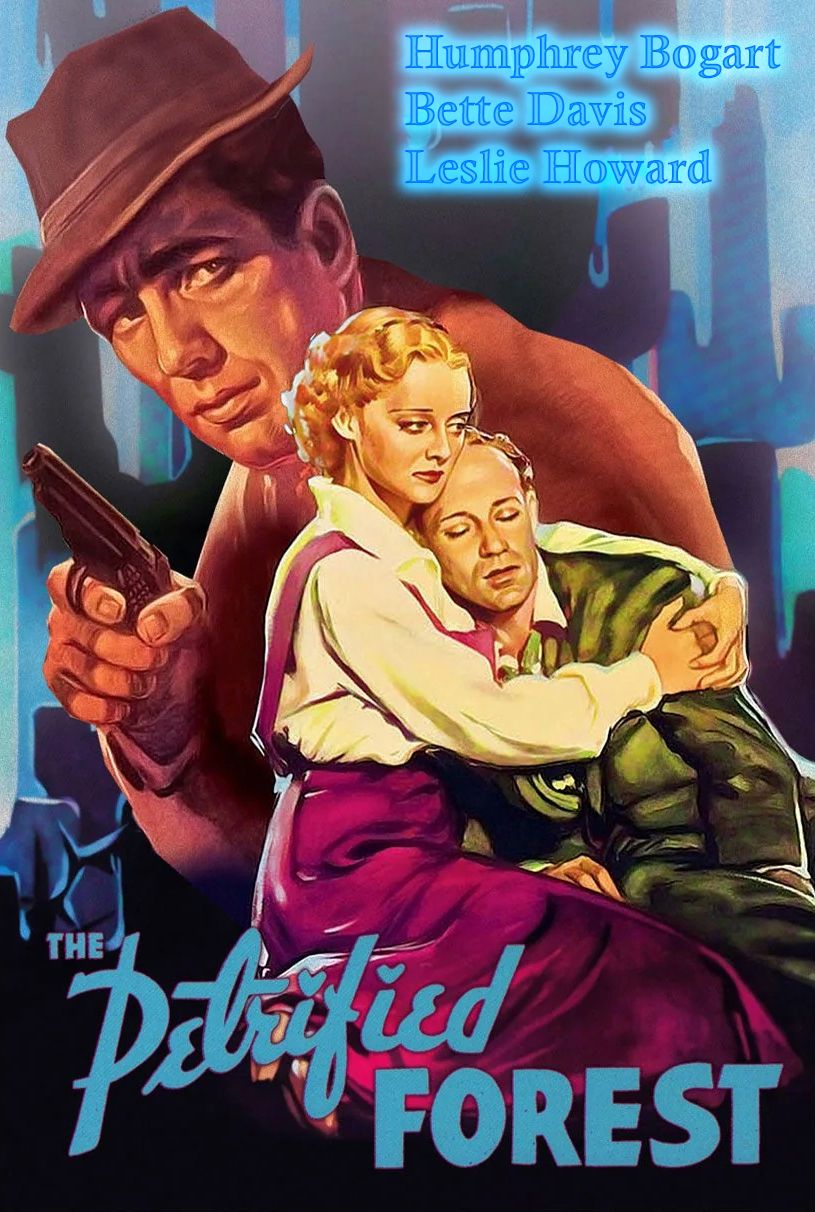
The Petrified Forest (1936)
Wednesday October 21st @ 7pm
The Petrified Forest is a masterclass in ensemble acting. Though its single-location setting reveals its stage-play roots, the sharp dialogue and iconic clash between a disillusioned intellectual and a ruthless outlaw gangster make it a timeless, philosophical thriller.
Adapted from Robert E. Sherwood’s hit Broadway play, the story traps a group of misfits inside a lonely Arizona diner in the Petrified Forest. The title also serves as a powerful metaphor for the spiritual emptiness and stagnation felt by the characters during the Great Depression. Thus, the hostage situation acts as a catalyst for deep, existential dialogue, exploring themes of love and fatalism.
The 1935 Broadway production of The Petrified Forest starred Howard, an established star, and Bogart, an actor in his first leading theatrical role. Sherwood based the Duke Mantee character on John Dillinger, the notorious criminal who in 1933 was named by J. Edgar Hoover as the FBI’s first “Public Enemy #1”. When Howard was cast for the movie version, his contract gave him final script control, so he informed the studio that he would not appear in the movie without Bogart as his co-star. The film made Bogart a star, and he remained grateful to Howard for the rest of his life.
If you appreciate classic Hollywood tension or are interested in seeing Bogart’s career-defining leap from Broadway stage to movies, then this is an absolute must-watch. While the painted desert backdrops and philosophical monologues might feel a bit stage-bound to some, the undeniable star power of Bette Davis, Leslie Howard and Humphrey Bogart, and the surprisingly poignant ending, make it one of the most compelling dramas of its era.
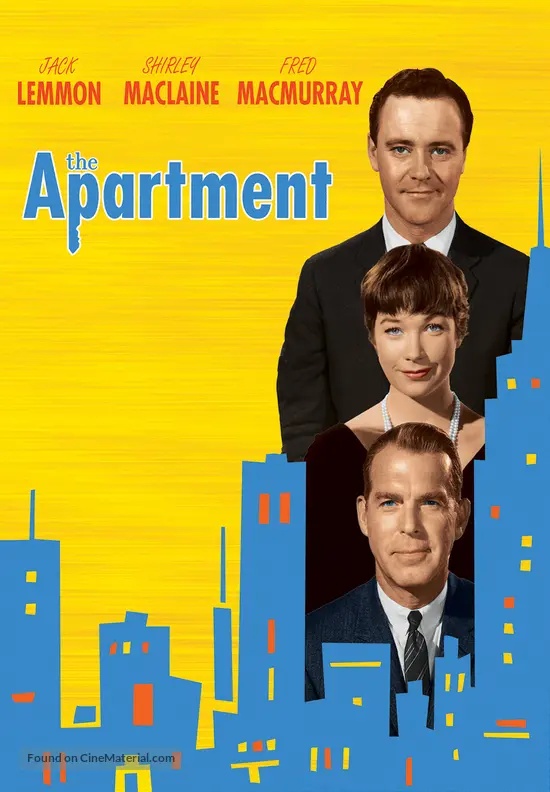
The Apartment (1960)
Wednesday November 18th @ 7pm
The Apartment was directed by Billy Wilder and won 5 of 10 Oscars nominations. Wilder, born in Vienna in 1906, was one of a wave of German directors who fled to America in the 1930’s. He was by far the most successful: films include Sunset Boulevard, Double Indemnity, The Lost Weekend, Witness for the Prosecution and the incomparable Some Like It Hot. His films demonstrate a caustic wit – an outsider’s view of America.
An ordinary office worker (played by Jack Lemmon) lets his bosses use his New York apartment for secret romantic affairs hoping to get promotion. The plot thickens when he falls in love with Fran (Shirley Maclaine) who turns out to be the mistress of his top boss.
The script is masterful and the film walks a tightrope between an hilarious romantic comedy and a mordant look at corporate mentality. Beneath its banter the film looks at loneliness in a mechanised world. Three years later Maclaine and Lemmon were reunited in Irma La Douce (1963) and became life-long friends. Their relationship on screen seems effortless and dynamic.
Like Some like it Hot (1963) The Apartment has a legendary last line.
The Drill Hall Film Society was formed in 2018 and is a project of The Drill Hall Theatre Company.
The film society is registered with the Australian Film Societies Federation.